
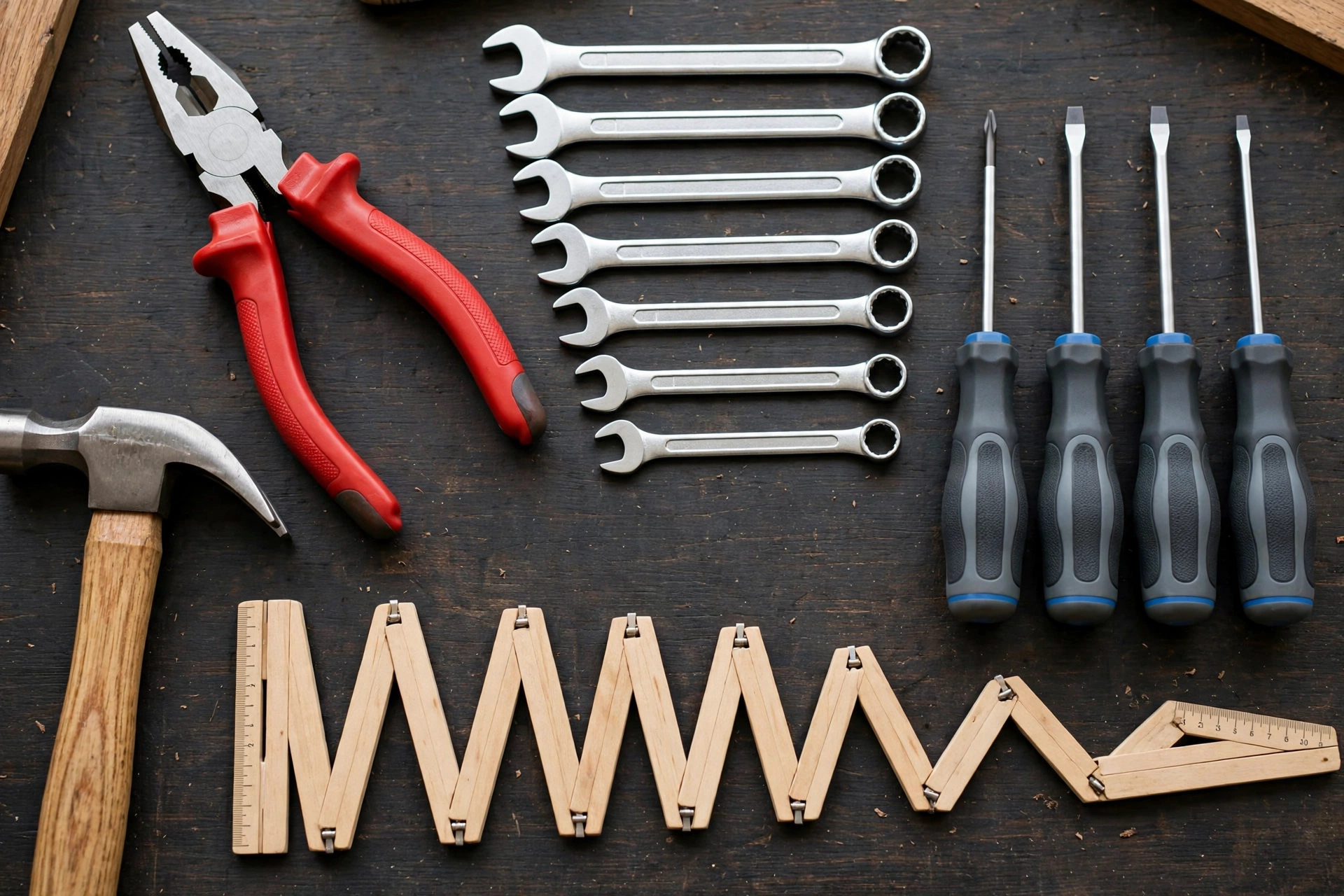
Ask any professional mechanic, electrician, or carpenter which tools they trust most, and one answer comes up again and again: German hand tools. For well over a century, workshops in Germany have produced pliers, screwdrivers, wrenches, and sockets that are known worldwide for precision, durability, and comfort. But what actually makes a German hand tool better than an ordinary one? This guide explains the tradition behind the reputation, the brands that built it, and how to choose the right tools for your own toolbox.
Why German Tools Have Such a Strong Reputation
Germany’s tool industry grew out of regions famous for metalworking, such as Wuppertal, Remscheid, and the Bergisches Land. Small, family-run factories specialized in forging and grinding steel, and over generations they refined their craft to an exceptional level. Three things still set German hand tools apart today:
Strict standards. German manufacturers traditionally work to DIN (Deutsches Institut für Normung) standards, which define exact dimensions, tolerances, and testing for tools. A wrench that meets these standards fits properly and is far less likely to round off a bolt head.
High-grade materials. Most quality German tools are forged from chrome vanadium steel or special tool steel, then hardened and tempered. The result is a tool that stays sharp and keeps its shape even after years of heavy daily use.
Ergonomics and precision. German toolmakers pay close attention to how a tool feels in the hand: balanced weight, comfortable grips, and jaws or tips machined to very tight tolerances. When you use a well-made pair of pliers, you feel the difference immediately — less effort, more control, and cleaner work.
The Most Famous German Tool Brands
Knipex — Based in Wuppertal and making pliers since 1882, Knipex is widely regarded as the world leader in pliers. Its Cobra water pump pliers and combination pliers are standard equipment in toolboxes around the world.
Wera — Founded in 1936, Wera is famous for its screwdrivers, especially the Kraftform handles designed to fit the shape of the hand, and its innovative bit holders and ratchets.
Wiha — Another screwdriver specialist, founded in 1939, known for precision screwdrivers for electronics, insulated VDE tools for electricians, and excellent build quality.
Gedore — Founded in 1919, Gedore produces a wide range of wrenches, sockets, and torque tools for professional workshops, and is one of the largest tool manufacturers in Germany.
Hazet — Founded in 1868 in Remscheid, Hazet is a favorite of automotive mechanics, especially for sockets, wrenches, and special tools designed for car repair.
Stahlwille — Founded in 1862, Stahlwille is known for high-end wrenches, sockets, and torque wrenches, and is still manufacturing in Germany today.
Buying from any of these brands is usually a safe choice, but the best tool is always the one that fits your specific job.
Types of German Hand Tools Worth Owning
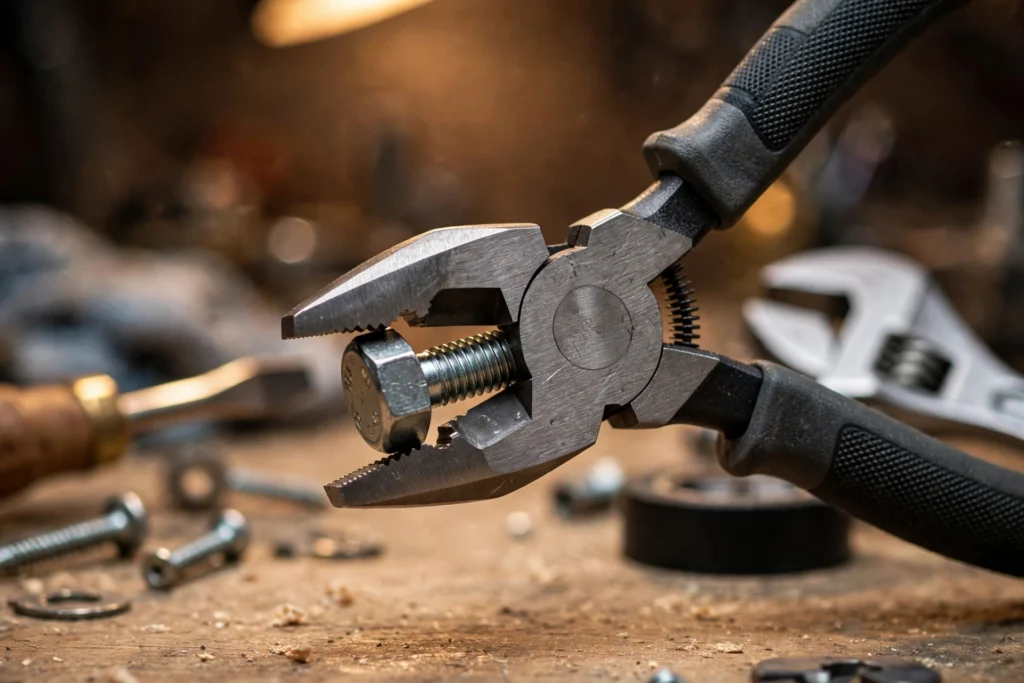
Pliers. Combination pliers, water pump pliers, side cutters, and long-nose pliers are the core of any toolbox. German pliers are known for sharp, long-lasting cutting edges and smooth, play-free joints.
Screwdrivers. A good set covers slotted, Phillips, and Torx sizes. Look for hardened tips that fit screws exactly — a poor tip damages screws and slips at the worst moment.
Wrenches and sockets. Combination wrenches and socket sets in chrome vanadium steel handle high torque without bending or cracking. For car and machine work, a socket set is usually the best first investment.
Hammers and striking tools. German claw hammers and engineers’ hammers are well balanced, with securely fitted heads and comfortable hickory or fiberglass handles.
Measuring and marking tools. Folding rules, spirit levels, and calipers from German makers are valued for their accuracy and long life on site.
How to Choose the Right German Hand Tools
Buy for the job, not the brand alone. A professional mechanic needs different tools than a home DIY user. Start with the tools you reach for most often, and buy quality there first.
Check the steel and finish. Look for forged chrome vanadium steel and a clean, rust-resistant finish. Cheap cast tools feel light, flex under load, and break sooner.
For electrical work, choose VDE-insulated tools. VDE-tested screwdrivers and pliers are insulated to protect against electric shock up to 1,000 volts, and they are marked with the VDE symbol and the voltage rating.
Feel the grip. Handles should be comfortable for long work sessions and give a secure grip even with oily or wet hands. This matters more than it seems after a full day of work.
Beware of fakes. The popularity of German brands attracts counterfeits. Buy from authorized dealers, check the markings on the tool, and be suspicious of prices that look far too low.
Caring for Your Tools
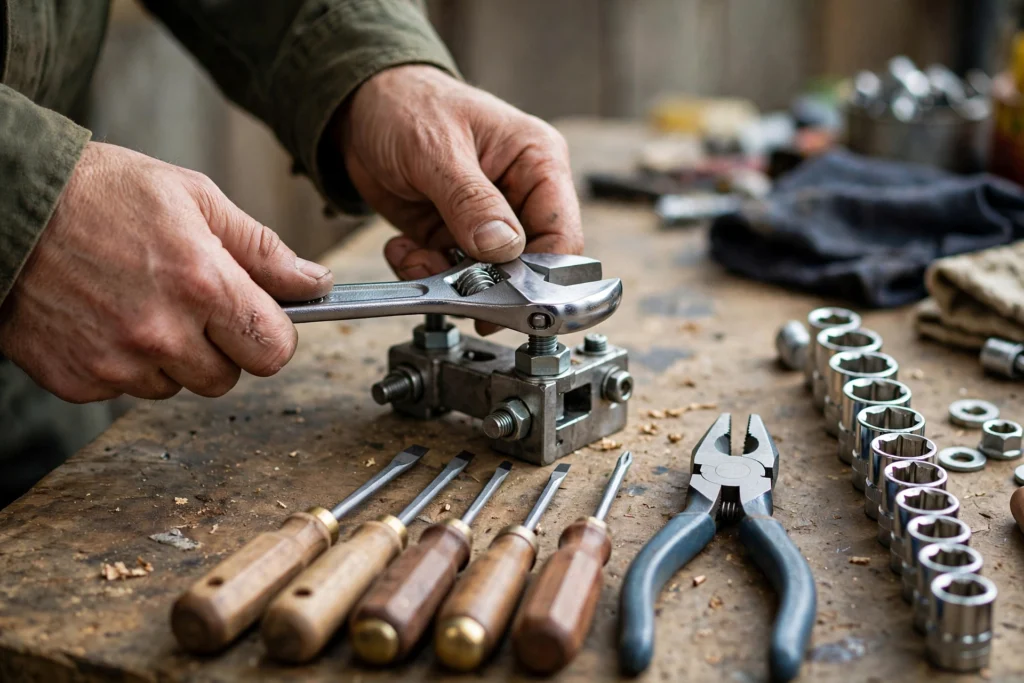
Good tools last a lifetime if you look after them. Wipe them clean after use, keep them dry to prevent rust, and store them in a toolbox or roll rather than loose in a drawer. A light coat of oil on carbon steel surfaces helps in damp workshops. Cutting edges stay sharp longer if you only cut materials the tool is designed for — never use pliers as a hammer or a screwdriver as a chisel.
Frequently Asked Questions
Are German hand tools worth the higher price?
For tools you use often, yes. They last longer, work more precisely, and are less likely to damage fasteners, which saves money and frustration over time.
Is every tool from a German brand made in Germany?
Not always. Some brands produce certain lines in other countries. If country of origin matters to you, check the marking on the tool itself, which usually states where it was made.
What is the best first German tool to buy?
A quality pair of combination pliers, such as those from Knipex, is a great start — it is useful for almost every kind of work, and the quality difference is easy to feel.
Do German tools come with a warranty?
Most established German brands offer warranties against manufacturing defects, and many professionals report excellent warranty service. Terms vary by brand, so check before you buy.
Conclusion
German hand tools earned their reputation the hard way: through generations of skilled metalworking, strict standards, and a focus on tools that work well and last long. Whether you are a professional tradesperson or a home DIY enthusiast, investing in a few quality German tools is one of the simplest upgrades you can make to your work. Start with the basics, buy from trusted brands, look after them, and they will serve you for decades.
